
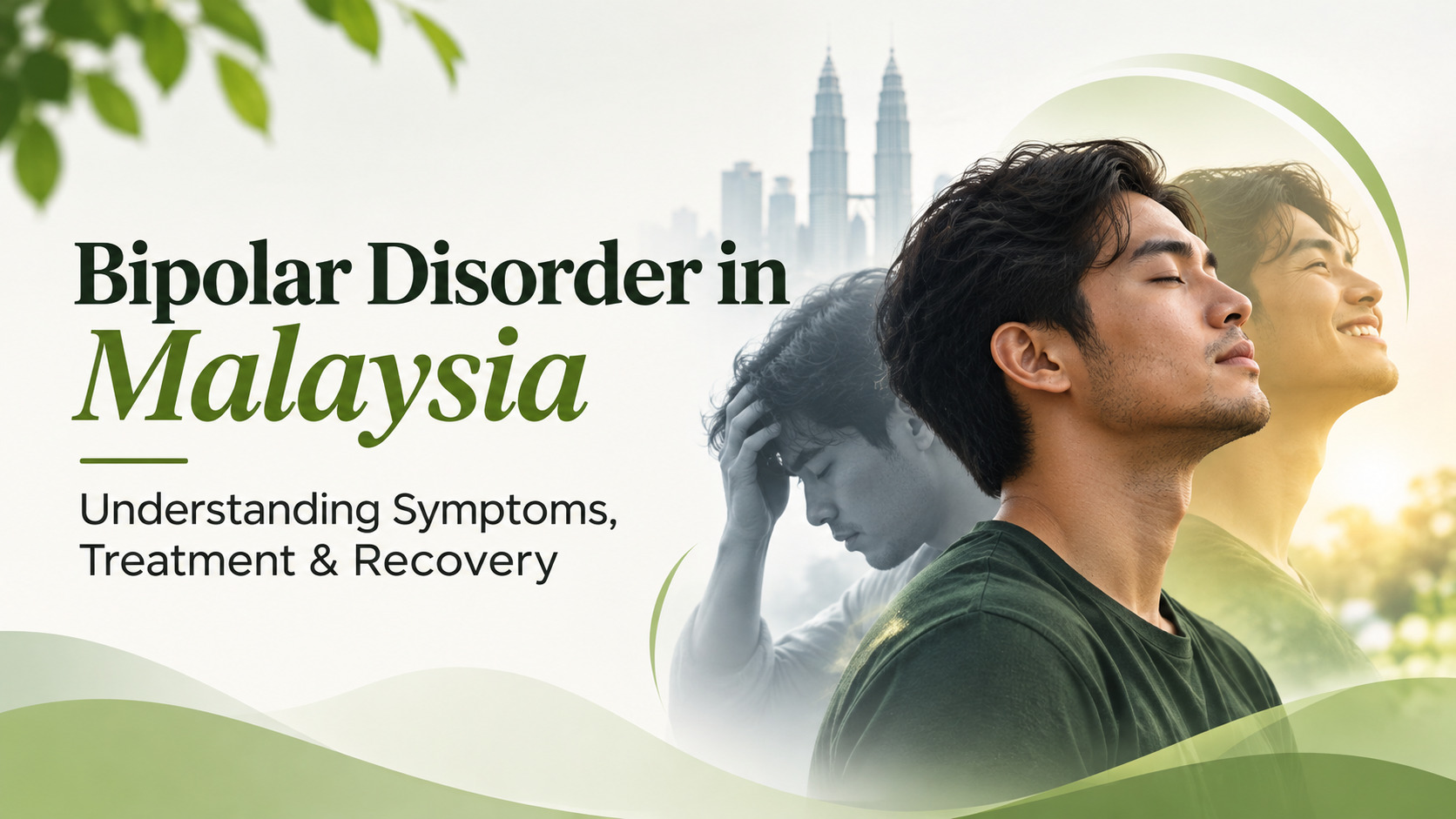
Bipolar disorder is a mental health condition that affects a person’s mood, energy, behaviour and daily activities. People living with this condition may experience extreme mood changes, including emotional highs (mania or hypomania) and emotional lows (depression). These changes can affect relationships, work, family life and personal well-being.
Understanding Bipolar Disorder in Malaysia is important because early identification, professional support and suitable treatment can help individuals manage their symptoms and enjoy a better quality of life. Although bipolar disorder can be challenging, it is a manageable condition with the right care and long-term support.
In Malaysia, awareness of mental health is growing, but many individuals still hesitate to seek help because of social stigma or a lack of understanding. Learning about the symptoms, treatment options and available support can help individuals and families make informed decisions.
1. What Is Bipolar Disorder and How Does It Affect Daily Life?
Bipolar disorder is a mental health condition that causes significant changes in mood, energy and activity levels. These changes are different from normal emotional ups and downs because they can last for days or weeks and affect everyday functioning.
People with bipolar disorder may experience different mood episodes, including:
- Mania: A period of unusually high energy, elevated mood, reduced need for sleep and sometimes risky behaviour.
- Hypomania: A less severe form of mania that can still affect decision-making and daily routines.
- Depression: A period of sadness, low energy, loss of interest, hopelessness or difficulty concentrating.
Understanding Bipolar Disorder in Malaysia also means recognising that every individual experiences the condition differently. Some people experience frequent mood episodes, while others may have longer periods of emotional stability.
2. Common Signs and Symptoms of Bipolar Disorder
Recognising the early signs can help individuals receive professional support before symptoms seriously affect their lives.
Symptoms During Manic Episodes
Common signs include:
- Feeling unusually energetic or excited.
- Sleeping very little without feeling tired.
- Talking more quickly than usual.
- Having racing thoughts.
- Making impulsive financial decisions.
- Taking unnecessary risks.
- Becoming easily irritated or restless.
Symptoms During Depressive Episodes
During depressive episodes, individuals may experience:
- Persistent sadness or emptiness.
- Loss of interest in daily activities.
- Changes in sleeping and eating habits.
- Low energy and tiredness.
- Feelings of guilt or worthlessness.
- Difficulty concentrating.
- Thoughts of self-harm or suicide.
If someone experiences suicidal thoughts or is at immediate risk of harm, urgent professional help is essential.
3. What Causes Bipolar Disorder?
There is no single cause of bipolar disorder. Research suggests that several factors may contribute to its development.
Genetic factors: People with a close family history of bipolar disorder may have a higher risk of developing the condition.
Brain chemistry: Changes in brain activity and the systems that regulate mood may play a role.
Environmental factors: Stressful life experiences, major changes, sleep disruption and traumatic events may contribute to the onset of symptoms or trigger mood episodes in some individuals.
It is important to understand that bipolar disorder is not a personal weakness or a character problem. It is a recognised mental health condition that requires proper assessment and care.
4. Understanding Bipolar Disorder in Malaysia and the Importance of Early Treatment
Mental health awareness is becoming increasingly important in Malaysia. However, some individuals still avoid seeking help because they fear being judged by family members, friends or society.
Early treatment can help people understand their symptoms, manage mood changes and reduce the impact of bipolar disorder on their daily lives.
Professional assessment is important because bipolar disorder can sometimes be confused with depression, anxiety or other mental health conditions. A qualified mental health professional can review the person’s symptoms, medical history, mood patterns and family history before making a diagnosis.
For individuals looking for Bipolar Disorder in Malaysia treatment, choosing suitable professional support is an important step towards better mental health.
5. Available Treatment Options for Bipolar Disorder
Bipolar disorder requires an individual treatment plan. Treatment depends on the person’s symptoms, medical history and current mental health needs.
Medication Management
Doctors may prescribe mood stabilisers, antipsychotic medicines or other suitable medication depending on the individual’s condition.
Medication should always be taken under medical supervision. Individuals should not stop or change their medication without consulting their doctor.
Psychological Therapy
Psychological therapy can help individuals understand their emotions, identify mood triggers and develop healthier ways to respond to difficult situations.
Common approaches include:
- Cognitive Behavioural Therapy (CBT).
- Family-focused therapy.
- Interpersonal and social rhythm therapy.
- Psychoeducation.
Lifestyle and Routine Management
Healthy daily habits can support long-term recovery. Maintaining regular sleeping hours, eating balanced meals, exercising and managing stress can help individuals maintain emotional stability.
6. How a Rehabilitation Center in Malaysia Can Support Recovery
A suitable Rehabilitation Center in Malaysia can provide structured support for individuals who need help managing mental health challenges.
Mental health rehabilitation focuses on improving daily functioning, emotional well-being, social skills and independence. It is not simply about treating symptoms but also helping individuals develop the skills needed for everyday life.
A structured rehab programme may include:
- Individual counselling and emotional support.
- Mental wellness activities.
- Daily routine development.
- Stress management techniques.
- Social and communication skills.
- Family education and involvement.
- Progress monitoring and recovery planning.
Green Wings Recovery Centre, located in Wilayah Persekutuan Kuala Lumpur, Malaysia, focuses on holistic mental health support and personalised recovery approaches. Under the leadership of Raagidhasakti, CEO and Clinical Director, the centre aims to provide customised programmes that consider individual needs and support long-term well-being.
For individuals exploring Bipolar Disorder in Malaysia support options, it is important to choose a centre that understands the value of personalised care and works within appropriate professional and clinical boundaries.
7. The Role of Family Support in Bipolar Disorder Recovery
Family support can make a meaningful difference in the recovery journey. People living with bipolar disorder may sometimes struggle to explain their emotions or manage changes in their behaviour.
Family members can support them by:
- Learning about bipolar disorder and its symptoms.
- Avoiding blame, criticism and negative comments.
- Encouraging regular medical appointments.
- Supporting healthy sleeping and eating routines.
- Recognising early warning signs of mood episodes.
- Providing emotional support without being judgmental.
Family counselling and education can also help loved ones understand how to communicate effectively and respond during difficult periods.
8. Choosing the Right Rehab and Rehabilitation Support in Malaysia
Choosing the right support provider is an important decision for individuals and families.
Before selecting a rehabilitation service, consider the following factors:
- Professional experience: Check the qualifications and experience of the professionals involved.
- Personalised programmes: Look for support that considers individual needs rather than following the same approach for everyone.
- Confidentiality: Ensure personal information and treatment details are handled responsibly.
- Family involvement: Consider programmes that encourage healthy family participation.
- Aftercare planning: Long-term support is important for maintaining progress.
When exploring Bipolar Disorder in Malaysia services, families should also check whether the centre has appropriate facilities, safety procedures and relevant regulatory compliance.
A responsible rehabilitation provider should maintain a clean and safe environment, follow applicable Malaysian laws and regulations, and manage its facilities in a way that supports individual dignity and well-being.
9. Practical Ways to Manage Bipolar Disorder in Everyday Life
Living with bipolar disorder requires ongoing attention to mental and physical health. Alongside professional treatment, simple daily habits can support better emotional balance.
Some helpful practices include:
- Maintain a consistent sleep schedule.
- Follow the treatment plan recommended by healthcare professionals.
- Avoid alcohol and recreational drugs.
- Exercise regularly according to personal ability.
- Maintain a healthy and balanced diet.
- Practise relaxation and stress management.
- Keep a mood diary to identify possible triggers.
- Stay connected with supportive friends and family.
These habits cannot replace professional treatment, but they can become valuable parts of a wider recovery plan.
10. Moving Towards Better Mental Health with Green Wings Recovery Centre
Managing bipolar disorder is a journey that requires understanding, patience and consistent support. With proper treatment, lifestyle changes and encouragement from loved ones, many individuals can manage their symptoms and work towards meaningful personal goals.
Green Wings Recovery Centre believes in the importance of personalised mental health support and holistic recovery. The centre aims to help individuals build healthier routines, improve emotional well-being and develop greater confidence in their everyday lives.
For people and families exploring Bipolar Disorder in Malaysia support, taking the first step towards professional guidance can make a meaningful difference.
For enquiries:
- CEO / Clinical Director: Raagidhasakti
- Centre: Green Wings Recovery Centre
- Address: Wilayah Persekutuan Kuala Lumpur, Malaysia
- Email: enquiry@greenwings-psy.com
Frequently Asked Questions (FAQs)
1. What are the early signs of bipolar disorder?
Early signs may include unusual mood changes, reduced need for sleep, increased energy, racing thoughts, persistent sadness and difficulty managing everyday activities. A mental health professional can assess these symptoms.
2. Can bipolar disorder be treated in Malaysia?
Yes. Individuals in Malaysia can seek assessment and treatment through qualified psychiatrists and mental health professionals. Treatment may include medication, psychological therapy, lifestyle management and rehabilitation support where appropriate.
3. Can a person with bipolar disorder live a normal life?
Many people with bipolar disorder can lead meaningful and productive lives. Consistent treatment, healthy routines, professional guidance and family support can help them manage their condition.
4. How can a rehabilitation centre help someone with bipolar disorder?
A rehabilitation centre may provide structured routines, counselling, emotional support, social skills development and personalised wellness programmes. It should complement, rather than replace, appropriate medical and psychiatric treatment.
5. When should someone seek professional help for bipolar disorder?
Professional help should be considered when mood changes affect sleep, relationships, work or everyday activities. Immediate help is necessary if someone experiences suicidal thoughts, severe mania or poses a risk to themselves or others.
Conclusion
Understanding Bipolar Disorder in Malaysia is an important step towards improving mental health awareness and encouraging people to seek timely support. Although bipolar disorder can affect different areas of life, it can be managed with appropriate treatment, professional guidance and a supportive environment.
Whether someone is experiencing mood changes personally or supporting a loved one, early action can help improve their quality of life. With its focus on personalised mental health support, Green Wings Recovery Centre aims to encourage individuals to take positive steps towards emotional well-being and long-term recovery.