
Choosing the right rehabilitation facility is an important step towards improved health, emotional stability, and long-term well-being. Whether an individual needs support for substance use, mental health challenges, or recovery from a difficult life experience, professional care can provide structure, guidance, and a pathway towards a healthier future. Finding the right Rehabilitation Center in Malaysia involves understanding available treatments, evaluating professional qualifications, and selecting a supportive environment that respects each person’s needs.
Malaysia offers a range of healthcare and rehabilitation services, including programmes focused on addiction recovery, psychological support, and holistic wellness. However, the quality and suitability of care can vary between providers. Families and individuals should therefore look beyond facilities and promotional claims to assess clinical standards, treatment approaches, safety procedures, and aftercare support.
At Green Wings Recovery Centre, the focus of rehabilitation should be understood as a personalised journey built around dignity, informed decisions, and sustainable recovery. This guide explains what to consider when choosing a rehabilitation provider in Malaysia and how to identify care that supports lasting progress.
Understanding Rehabilitation Services in Malaysia
Rehabilitation is a structured process that helps people improve their physical, psychological, emotional, or social functioning. Depending on the person’s circumstances, treatment may involve medical supervision, psychotherapy, behavioural interventions, recovery education, and practical life-skills development.
A suitable Rehabilitation Center in Malaysia should assess each person’s needs before recommending a programme. Treatment for substance dependence, for example, may require different clinical expertise from rehabilitation for mood disorders or other mental health conditions.
Types of Rehabilitation Programmes
Common services to explore include:
- Addiction recovery programmes: Support for alcohol or drug dependence through evidence-based interventions and relapse-prevention planning.
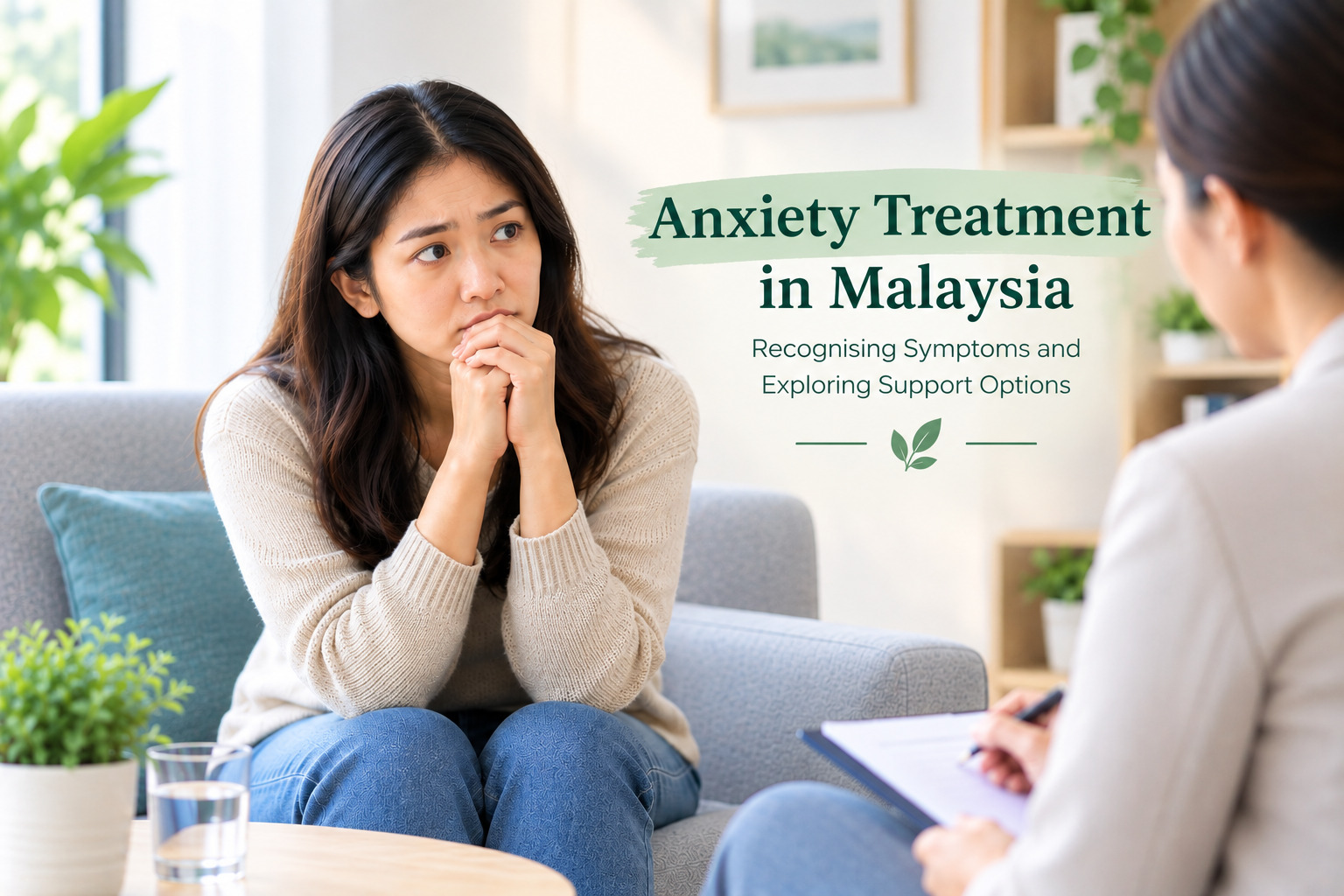
- Mental health rehabilitation: Structured support for individuals experiencing depression, anxiety, bipolar disorder, or other psychological difficulties.
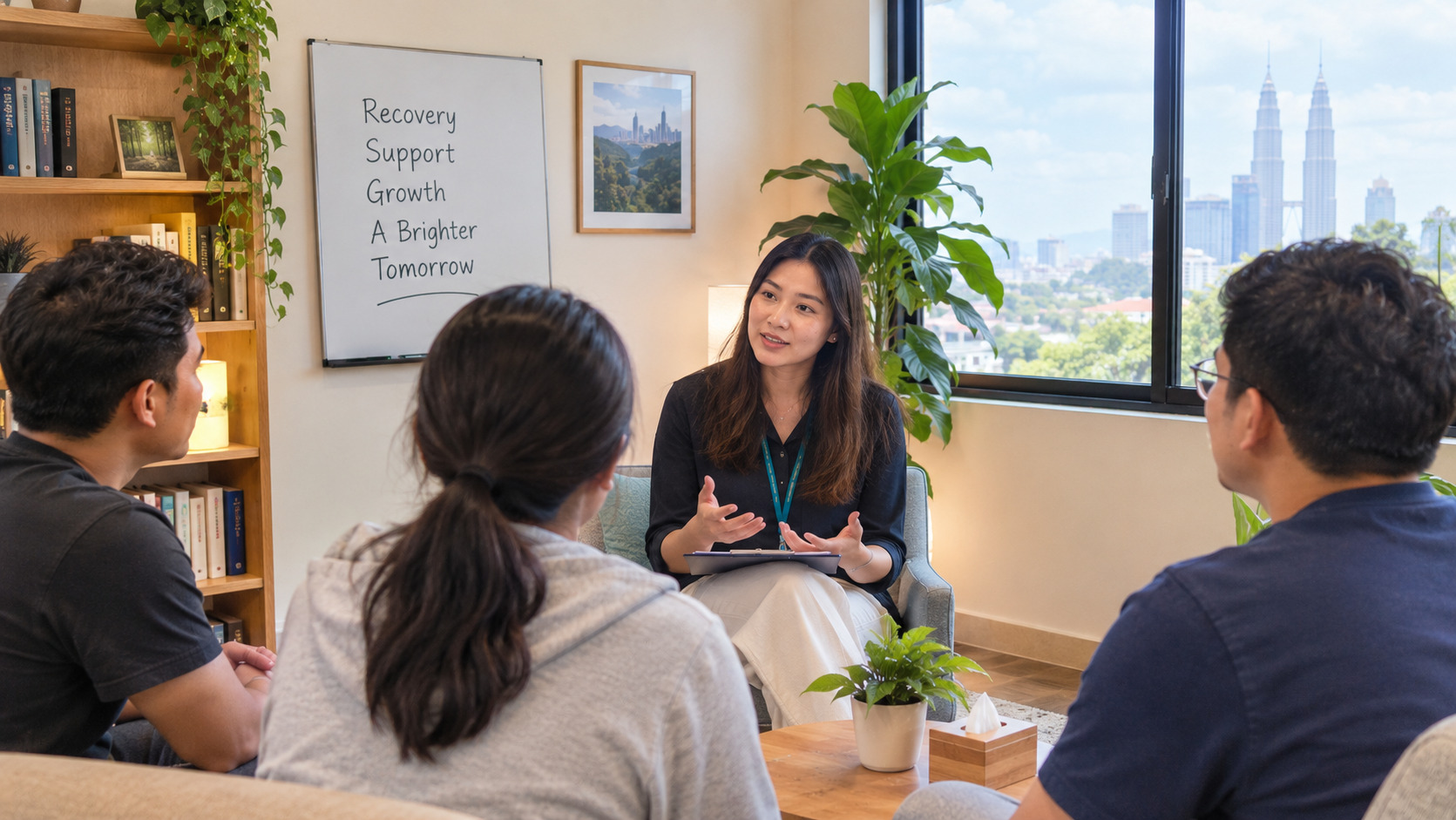
- Psychological counselling: Individual or group sessions that help people understand emotional patterns, develop coping strategies, and strengthen relationships.
- Residential rehabilitation: A structured living environment for eligible individuals who benefit from more intensive support.
- Outpatient rehabilitation: Scheduled treatment that allows participants to continue living at home while attending professional sessions.
- Wellness and life-skills programmes: Activities designed to support healthy routines, stress management, emotional regulation, and independent living.
Not every provider offers every service. Before choosing a Rehab Center in Malaysia, confirm which programmes are available, who delivers them, and whether the facility can accommodate the individual’s clinical needs.
How to Choose the Right Rehabilitation Center in Malaysia
Selecting a rehabilitation provider requires careful research. A welcoming environment matters, but it should be supported by appropriate professional expertise, transparent policies, and a clear treatment plan.
1. Check Professional Qualifications and Registration
Start by verifying the facility’s legal operating status and the qualifications of the professionals responsible for care. Depending on the services provided, relevant credentials may include registration with appropriate Malaysian healthcare authorities, professional qualifications in psychiatry or psychology, and recognised counselling credentials.
Ask who conducts initial assessments, who oversees treatment, and how emergencies are managed. If medication, detoxification, or complex psychiatric care is required, establish whether qualified medical professionals are available and whether referrals to hospitals or specialist services can be arranged.
A trustworthy Rehabilitation Center in Malaysia should explain its scope of practice honestly and avoid guaranteeing specific outcomes.
2. Look for Individualised Treatment Plans
Recovery is rarely a one-size-fits-all process. Effective care begins with a comprehensive assessment of medical history, mental health, substance use, family circumstances, daily functioning, and personal goals.
Treatment plans may combine cognitive behavioural therapy (CBT), motivational interviewing, psychoeducation, family involvement, and relapse-prevention strategies when clinically appropriate. Progress should be reviewed regularly so that treatment can be adjusted as needs change.
Ask whether the programme includes measurable goals, scheduled reviews, and opportunities for individuals to participate in decisions about their care.
3. Evaluate the Environment and Safety Standards
A safe rehabilitation environment should promote privacy, respect, cleanliness, and emotional security. Visit the facility where possible and ask about accommodation, staff availability, medication management, safeguarding, complaints procedures, and emergency response arrangements.
Environmental responsibility is also worth considering. Providers should maintain appropriate sanitation, manage general and clinical waste according to applicable requirements, and follow relevant environmental and public-health regulations. Where medical procedures are provided, ask how clinical waste is segregated and disposed of safely.
These practical standards help families assess whether a provider takes health, safety, and responsible facility management seriously.
4. Understand Costs and Programme Duration
Before admission, request a written breakdown of fees. Clarify whether assessments, consultations, medication, accommodation, meals, family sessions, and aftercare are included or charged separately.
Programme duration depends on clinical needs, progress, and the level of care required. Be cautious of providers that promise guaranteed recovery within a fixed period. A responsible provider should explain the expected treatment pathway while acknowledging that outcomes differ between individuals.
Mental Health Care and Specialised Treatment Options
Mental health rehabilitation may help individuals manage symptoms, improve daily functioning, and develop practical strategies for maintaining stability. Choosing a provider with relevant clinical expertise is especially important when symptoms are complex or multiple conditions occur together.
Bipolar Disorder Treatment in Malaysia
Bipolar disorder is a mental health condition characterised by episodes of depression and mania or hypomania. Symptoms can affect sleep, energy, concentration, judgement, relationships, and work.
Bipolar Disorder Treatment in Malaysia may involve psychiatric assessment, medication prescribed by a qualified clinician, psychotherapy, psychoeducation, and ongoing monitoring. Treatment is individualised, and medication should never be stopped or changed without advice from the prescribing professional.
When comparing providers, ask whether they can coordinate care with a psychiatrist, monitor changes in mood and sleep, support family education with consent, and arrange urgent assessment when symptoms become severe. Rehabilitation may complement specialist psychiatric treatment, but it does not replace it when medical care is needed.
The Role of Wellness Programmes
Wellness Programmes in Malaysia can complement a structured recovery plan by encouraging healthier daily habits and stronger coping skills. Depending on individual needs and clinical suitability, these may include mindfulness, physical activity, sleep education, nutrition guidance, stress management, and communication skills.
Such activities can support general well-being, but they should not be presented as substitutes for evidence-based treatment of addiction or psychiatric disorders. A reputable provider explains the purpose and limitations of each activity and adapts participation to the individual’s abilities and health needs.
Why Aftercare Matters for Long-Term Recovery
Completing a rehabilitation programme is an important milestone, but returning to everyday life can introduce new challenges. Work pressures, family conflict, social expectations, and exposure to previous triggers may affect recovery.
A strong aftercare plan can include continuing counselling, peer-support groups, medical follow-ups, family education, relapse-prevention planning, and referrals to community services. Individuals should understand whom to contact if their symptoms return or their recovery becomes difficult.
At Green Wings Recovery Centre, prospective clients and families should ask about the available support pathways, continuity of care, and practical steps for maintaining progress after a programme ends. Clear communication about service availability helps individuals make informed decisions and plan realistically.
Questions to Ask Before Admission
Before committing to a facility, consider asking:
- What assessment process determines the recommended treatment?
- Which professionals provide and supervise the services?
- What happens if a medical or psychiatric emergency occurs?
- How are privacy, consent, and family communication handled?
- What costs are included in the programme fee?
- Is aftercare available, and how is progress reviewed?
A provider’s willingness to answer these questions clearly can help establish trust and reveal whether its services align with the individual’s needs.
Conclusion
Choosing a Rehabilitation Center in Malaysia is a significant decision that deserves careful consideration. Professional qualifications, individualised treatment, safety standards, transparent costs, and reliable aftercare should all influence the selection process. The right programme should support recovery with compassion while recognising the importance of clinical expertise and realistic expectations.
For individuals and families exploring rehabilitation options, Green Wings Recovery Centre can be considered as part of the research process. Ask for clear information about available services, professional oversight, eligibility, and ongoing support before making a decision. With appropriate assessment, evidence-informed care, and a practical recovery plan, individuals can take meaningful steps towards improved well-being and a more sustainable future.
Frequently Asked Questions
1. What should I look for in a Rehabilitation Center in Malaysia?
Look for appropriate registration, qualified professionals, individualised treatment plans, clear safety procedures, transparent fees, privacy protections, and structured aftercare. Confirm that the centre can address the person’s specific clinical needs.
2. How long does rehabilitation usually take?
Duration depends on the condition, treatment intensity, individual progress, and available support. Some people benefit from short-term structured programmes followed by ongoing care, while others require longer-term treatment. A qualified professional can recommend a suitable plan after assessment.
3. Does a Rehab Center in Malaysia provide mental health treatment?
Some facilities provide counselling and mental health support, while others specialise in addiction recovery or different forms of rehabilitation. Confirm the available services and whether psychiatric assessment, medication management, or specialist referrals can be arranged.
4. Is bipolar disorder treatable through rehabilitation?
Bipolar disorder can often be managed with appropriate ongoing treatment. Care may include psychiatric supervision, prescribed medication, psychotherapy, education, and lifestyle support. Rehabilitation can complement this care but should not replace specialist medical treatment when required.
5. What happens after completing a rehabilitation programme?
Aftercare may include counselling, follow-up appointments, peer support, family education, and relapse-prevention planning. Before admission, ask the provider to explain its aftercare options and how ongoing support is coordinated.