

Mental health is an important part of overall well-being, influencing how people think, manage emotions, build relationships, work, and respond to everyday challenges. In Malaysia, growing awareness of mental and emotional health has encouraged individuals, families, and organisations to look beyond crisis-based care and consider preventive and supportive approaches.
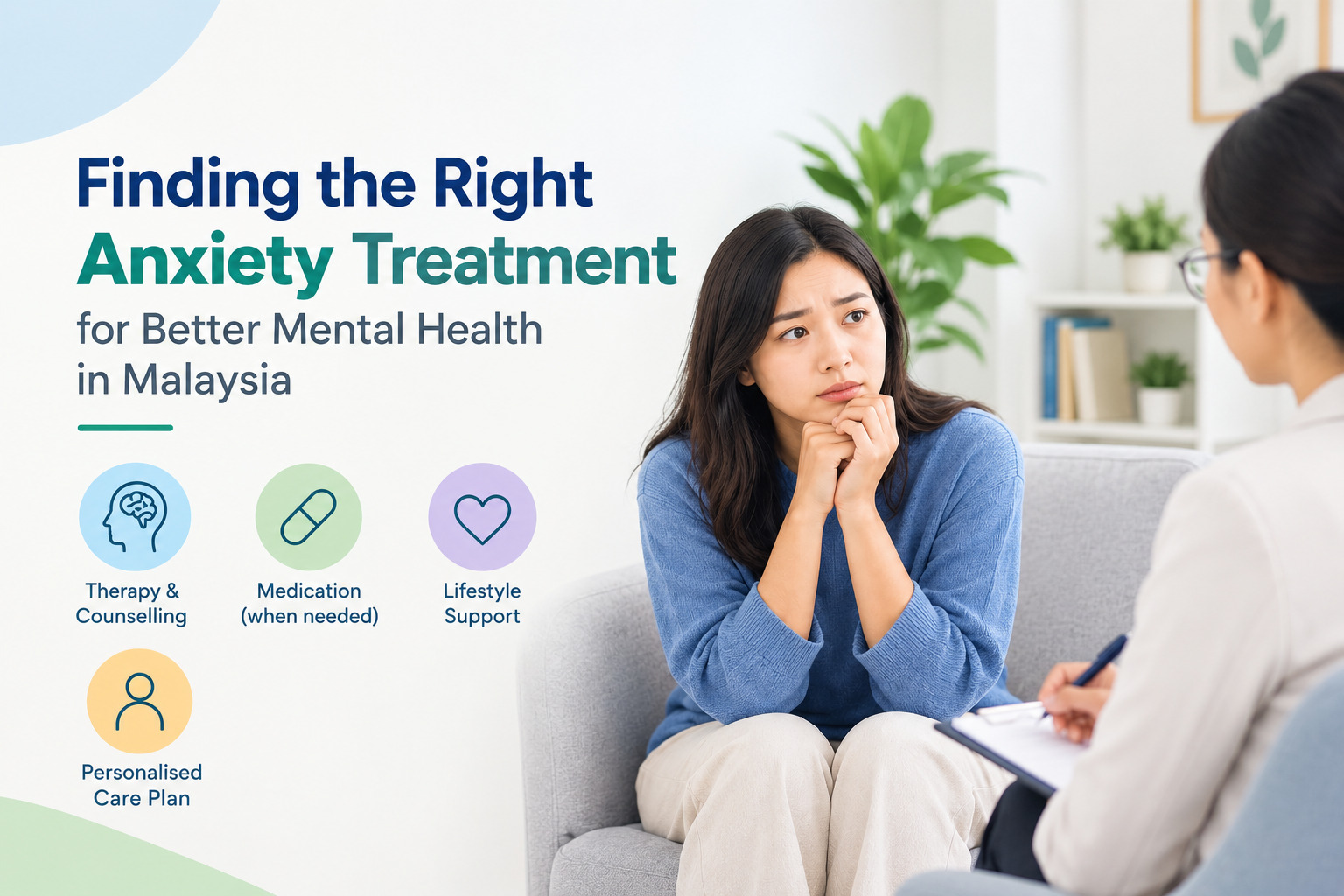
Wellness Programmes in Malaysia can provide a structured way to support mental, emotional, physical, and social well-being. Depending on individual needs, these programmes may include counselling, healthy lifestyle guidance, stress-management strategies, emotional support, family involvement, and recovery-focused activities.
At Green Wings Recovery Centre, wellness support can be approached as part of a broader commitment to sustainable mental health and recovery. A suitable programme should be personalised rather than treated as a one-size-fits-all solution.
What Are Wellness Programmes?
Wellness programmes are structured initiatives designed to encourage healthier habits and improve different aspects of well-being. In a mental health setting, they may address emotional resilience, stress management, interpersonal relationships, healthy routines, self-awareness, and coping skills.
Effective programmes should begin by understanding the person’s circumstances and goals. A professional assessment can help identify areas that may benefit from additional support and determine whether counselling, rehabilitation services, family-based interventions, or other forms of professional care may be appropriate.
The aim is not simply to reduce immediate difficulties. It is also to help people develop practical skills that can support their well-being over time.
Why Wellness Programmes Matter for Mental Health
Mental health can be affected by many factors, including prolonged stress, relationship difficulties, workplace pressures, substance use, social isolation, and major life changes. Wellness-focused support can help individuals recognise these challenges earlier and develop healthier ways of responding.
1. Encouraging Healthy Coping Strategies
Stress is part of life, but persistent or overwhelming stress can affect emotional and physical well-being. Wellness programmes may introduce techniques such as relaxation exercises, mindfulness, structured routines, physical activity, and healthy communication.
These strategies are not substitutes for professional treatment when someone has a mental health condition. Instead, they can complement appropriate clinical or therapeutic care.
2. Supporting Emotional Resilience
Emotional resilience involves developing the ability to manage difficult experiences and adapt to change. Counselling and guided wellness activities can encourage self-awareness and help individuals understand patterns in their thoughts, emotions, and behaviour.
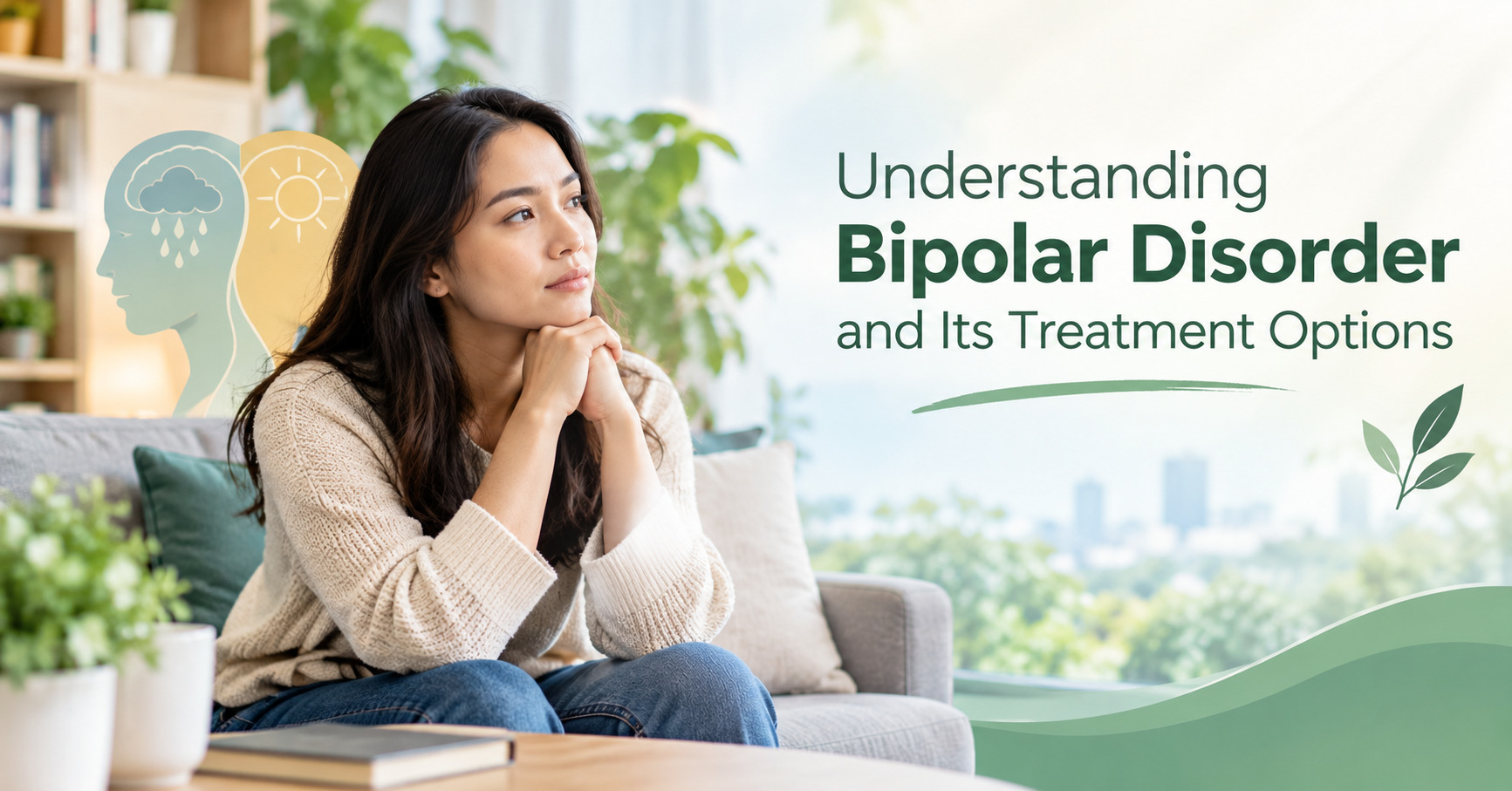
For people receiving Bipolar Disorder Treatment in Malaysia, for example, wellness planning may be considered alongside appropriate professional treatment, particularly when establishing routines, identifying stressors, and developing strategies for maintaining stability.
3. Strengthening Relationships
Mental health does not exist in isolation. Family and relationship difficulties can influence emotional well-being, while mental health challenges can also place pressure on relationships.
For couples experiencing ongoing communication or relationship difficulties, Couple Counselling in Malaysia and Marriage Therapy in Malaysia may provide structured professional support. These services can help couples communicate more effectively, understand recurring patterns, and work towards healthier relationships.
Wellness and Rehabilitation: How They Work Together
Wellness support can be particularly valuable within a rehabilitation setting. A Rehabilitation Center may provide structured care for people working towards recovery, while wellness activities can help reinforce healthy routines and coping skills.
At Green Wings Recovery Centre, a holistic approach can consider different areas of a person’s life rather than focusing only on one symptom or challenge. Depending on individual circumstances, this may include counselling, behavioural support, family participation, lifestyle guidance, and recovery planning.
A reputable Rehab Center in Malaysia should also recognise that recovery is an ongoing process. Progress can involve setbacks, adjustments, and changing needs. Personalised support and appropriate follow-up can therefore be important parts of sustainable recovery.
Wellness Programmes for Employees and Organisations
Workplace well-being is another important area where structured wellness initiatives can make a difference. Long working hours, demanding workloads, poor work-life balance, interpersonal conflict, and chronic stress can affect employee morale and productivity.
Employee Wellness Programs in Malaysia may focus on areas such as stress management, emotional well-being, healthy lifestyle habits, communication, and access to appropriate support.
Similarly, a Corporate Wellness Program in Malaysia can be designed to encourage a healthier workplace culture. Organisations may consider educational workshops, counselling access, mental health awareness activities, and strategies that encourage employees to seek help when needed.
However, workplace wellness should be implemented responsibly. Employees should not feel pressured to disclose private mental health information, and organisations should respect confidentiality and applicable privacy requirements.
What Makes a Wellness Programme Effective?
Not every programme will suit every person. When considering Wellness Programmes in Malaysia, individuals and families should look for services that demonstrate professionalism, appropriate qualifications, clear communication, and personalised care.
Important factors may include:
- Individual assessment and personalised goals
- Qualified and experienced professionals
- Clear information about the programme and services
- Appropriate confidentiality and privacy practices
- Family involvement where suitable and consented to
- Progress monitoring and regular reviews
- Appropriate referral or escalation when specialised care is required
- A supportive and respectful environment
- Sensible attention to environmental health, cleanliness, safety, and responsible resource use
Environmental responsibility can also contribute to a healthier care setting. Rehabilitation and wellness facilities should maintain clean, safe, well-managed environments and follow relevant Malaysian requirements concerning health, safety, waste management, and facility operations.
Choosing the Right Wellness Support in Malaysia
Choosing a wellness programme should begin with understanding what type of support is actually needed. Someone experiencing everyday stress may benefit from wellness education and counselling, while a person dealing with a significant mental health condition may require a more comprehensive professional treatment plan.
Families should ask about the qualifications of professionals, programme structure, confidentiality, expected outcomes, follow-up support, and how the centre responds when a person’s needs become more complex.
At Green Wings Recovery Centre, the emphasis on personalised and sustainable support reflects the importance of treating each individual’s circumstances with care and respect. Professional support should always be based on the person’s needs rather than a generic programme model.
A Holistic Approach to Long-Term Well-Being
The value of wellness extends beyond a single appointment or short-term programme. Sustainable well-being can involve consistent routines, supportive relationships, healthy lifestyle choices, emotional awareness, professional guidance, and continued self-care.
Wellness Programmes in Malaysia can therefore play an important supporting role in prevention, recovery, and long-term mental well-being. When combined with appropriate professional services, they can help individuals and families develop practical strategies for managing challenges and building healthier lives.
For people seeking support, the most important step is often recognising when help is needed and choosing a professional environment where their concerns can be understood without judgement.
Conclusion
Mental health and recovery require more than addressing problems after they become severe. Wellness Programmes in Malaysia offer a structured opportunity to encourage healthier habits, strengthen emotional resilience, improve relationships, and support sustainable recovery.
Whether the need involves personal wellness, family support, rehabilitation, or workplace well-being, professional guidance can help individuals make informed choices. Green Wings Recovery Centre can be considered by individuals and families seeking a holistic approach that focuses on personalised support and long-term quality of life.
Frequently Asked Questions
1. What are Wellness Programmes in Malaysia?
Wellness programmes are structured services designed to support areas such as mental, emotional, physical, and social well-being. Depending on the provider, they may include counselling, lifestyle guidance, stress management, and recovery-focused activities.
2. Can wellness programmes support mental health recovery?
Yes. Wellness activities can complement appropriate professional treatment by supporting healthy routines, coping skills, emotional awareness, and lifestyle changes. They should not replace necessary clinical or therapeutic care.
3. Who can benefit from a wellness programme?
Individuals experiencing stress, emotional challenges, relationship difficulties, lifestyle concerns, or recovery-related needs may benefit. The most appropriate programme depends on the person’s circumstances and should ideally be determined through professional assessment.
4. Can wellness programmes include family or couples support?
They can. Where appropriate, counselling services such as Couple Counselling in Malaysia or Marriage Therapy in Malaysia may help address communication and relationship concerns alongside individual wellness support.
5. How should I choose a wellness programme?
Look for qualified professionals, personalised assessment, clear programme information, confidentiality, appropriate follow-up, a safe environment, and services that match your specific needs.